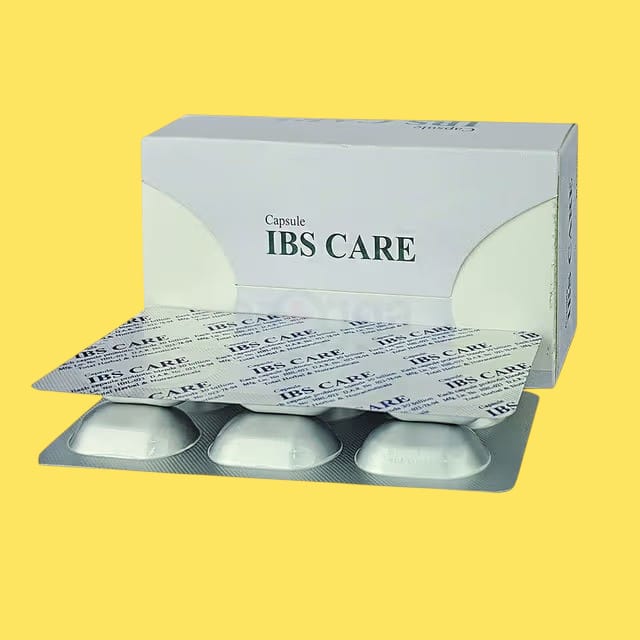
IBS CARE Capsule (30's Pack)
SKU: TOHN
Brand: Total Herbal & Nutraceuticals
৳845
৳900
Variant:
-
+
IBS care involves managing symptoms through diet, lifestyle, and sometimes medication, focusing on identifying trigger foods (like dairy, gluten, fatty/spicy items, high-FODMAPs) while increasing soluble fiber and fluids, managing stress via techniques like CBT or meditation, exercising, staying hydrated, and using OTC or prescription meds for pain/diarrhea/constipation, with a doctor consulted for proper diagnosis and severe cases.
Dietary & Nutritional Care
- Identify Triggers: Keep a food diary to spot foods causing issues (dairy, wheat, caffeine, alcohol, fatty/spicy foods, beans, broccoli, etc.).
- Increase Soluble Fiber: Slowly add soluble fiber (oats, psyllium) to help with constipation, but add fluids too.
- Low FODMAP Diet: A dietitian might suggest this diet to limit hard-to-digest carbs.
- Stay Hydrated: Drink plenty of water (around 1.5L/day).
- Probiotics: Try for a month to see if yogurt or supplements help.